

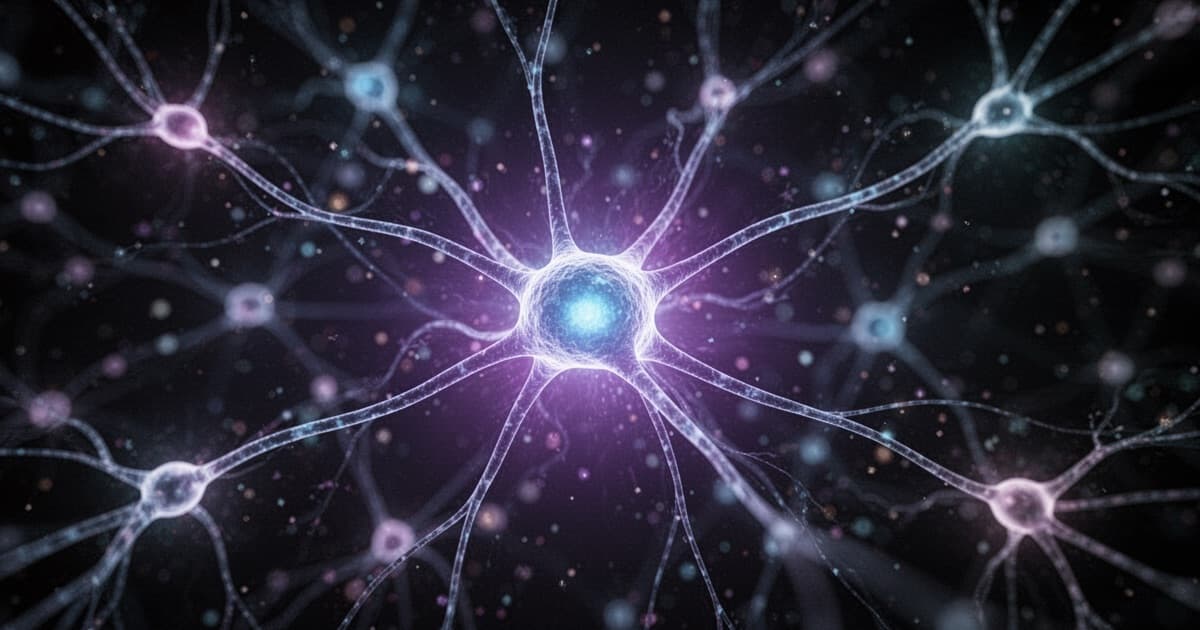
Understanding Transformer Architecture_
A deep dive into the architecture that powers modern AI, from attention mechanisms to the models that are changing the world.

Understanding Transformer Architecture_
The transformer architecture has revolutionized artificial intelligence. First introduced in the groundbreaking paper "Attention Is All You Need," this architecture has become the foundation for models like GPT, BERT, and countless others.
The Attention Mechanism
At the core of transformers is the attention mechanism. Unlike previous architectures that processed sequences step by step, attention allows the model to look at all parts of the input simultaneously.
def scaled_dot_product_attention(Q, K, V): """ Calculate attention scores and apply to values.
Args: Q: Query matrix K: Key matrix V: Value matrix """ d_k = Q.shape[-1] scores = torch.matmul(Q, K.transpose(-2, -1)) / math.sqrt(d_k) attention_weights = torch.softmax(scores, dim=-1) return torch.matmul(attention_weights, V)Why Transformers Matter
The transformer architecture enables:
- Parallelization: Unlike RNNs, transformers can process entire sequences at once
- Long-range dependencies: Attention can connect distant parts of the input
- Scalability: The architecture scales well with more data and compute
Building Blocks
A transformer consists of:
- Embedding layers - Convert tokens to vectors
- Positional encoding - Add position information
- Multi-head attention - Multiple attention mechanisms in parallel
- Feed-forward networks - Process attention outputs
- Layer normalization - Stabilize training
Note: This is just the beginning. Modern LLMs build on these foundations with innovations like rotary embeddings, flash attention, and mixture of experts.
What's Next?
In our next article, we'll explore how to fine-tune transformer models for specific tasks. Stay tuned!
Related Posts_
When AI Designs Experiments Humans Can't Explain
There's a quiet crisis brewing in physics labs, and it has nothing to do with broken equipment or funding cuts.

Mercury Two Rewrites the Rules on Inference Speed
There's a question that comes up a lot in production AI discussions that almost never gets asked in benchmark threads: what does it actually feel…

AI Faces Now Fool Almost Everyone, Study Finds
The next time you're scrolling through LinkedIn and a connection request arrives from someone you don't recognize, take a moment to consider…